Now live — every launch is free
How to find your target audience
Not a demographics exercise. A hunt for the places people are already frustrated enough to pay for a fix.
Free forever. Live in minutes — no queue, no review.

TraceUX | Session Replay & AI Bug Reproduction
1

voiskey
New
Vidmoat
New

Docny - AI-Native Docs CMS for Developer Teams
1
Ecomerate
New
Clay
New

audioread
New
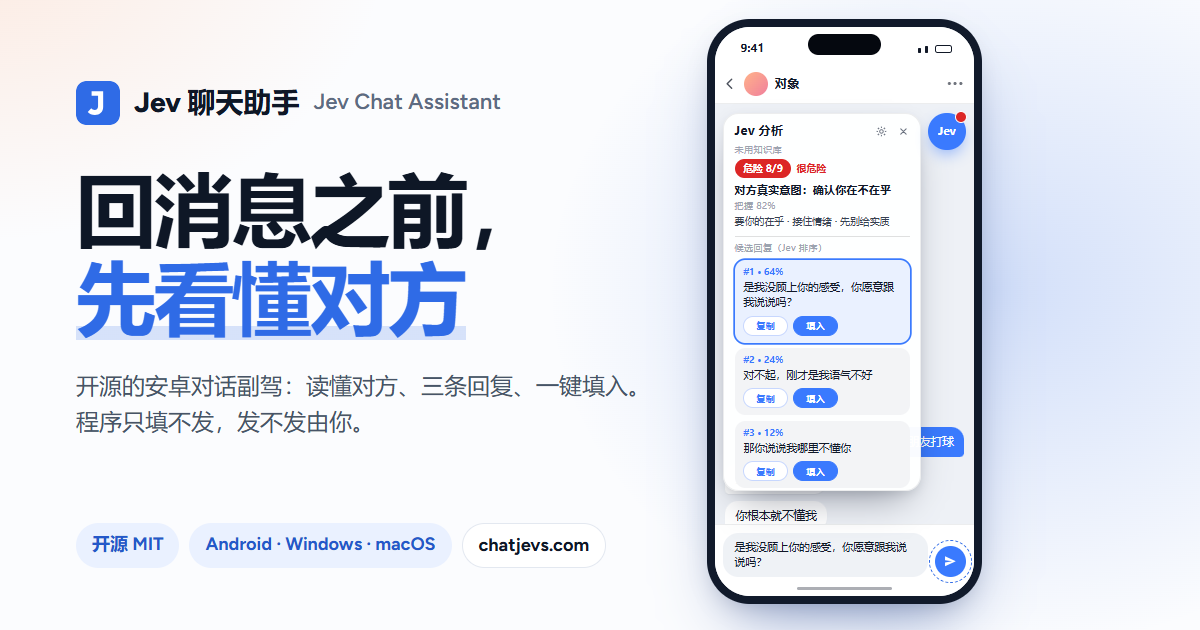
Jev Chat Assistant
New

AI Side Hustle 7-Day Starter Pack
New

PeekPanda
New
Muse Video AI Video Generator with Native Audio
New
TraceUX | Session Replay & AI Bug Reproduction
1
voiskey
New
Vidmoat
New
Docny - AI-Native Docs CMS for Developer Teams
1
Ecomerate
New
Clay
New
audioread
New
Jev Chat Assistant
New
AI Side Hustle 7-Day Starter Pack
New
PeekPanda
New
Muse Video AI Video Generator with Native Audio
New
TraceUX | Session Replay & AI Bug Reproduction
1
voiskey
New
Vidmoat
New
Docny - AI-Native Docs CMS for Developer Teams
1
Ecomerate
New
Clay
New
audioread
New
Jev Chat Assistant
New
AI Side Hustle 7-Day Starter Pack
New
PeekPanda
New
Muse Video AI Video Generator with Native Audio
New
TraceUX | Session Replay & AI Bug Reproduction
1
voiskey
New
Vidmoat
New
Docny - AI-Native Docs CMS for Developer Teams
1
Ecomerate
New
Clay
New
audioread
New
Jev Chat Assistant
New
AI Side Hustle 7-Day Starter Pack
New
PeekPanda
New
Muse Video AI Video Generator with Native Audio
New
90%+
of launches that flop targeted a persona, not a place
1
community with real complaints beats 10K cold impressions
0
personas worth more than a real complaining user
The short answer
To find your target audience, start from the problem, not the persona: search Reddit, X, Discord, and niche forums for people complaining about the pain your product fixes. The communities where those complaints cluster are your audience's watering holes. Post your product where the complaints live, watch who bites, then let their profiles — not a slide deck — define your ICP.
Most founders guess at personas instead of finding people
The standard advice — build a persona, pick demographics, run ads at them — assumes your audience is a statistical cluster you can buy impressions against. For early products it's backwards. You don't need a persona named 'Startup Steve, 34, drinks cold brew.' You need the Discord server where people are complaining about the exact thing you built a fix for. Founders who skip the hunting step end up marketing to a fictional character while their actual users congregate somewhere they've never looked.
A process that finds people, not profiles
Audience discovery is a search problem: find where the complaints cluster, show up there with the fix, and let the responders define who you're for. OnlyFoundrs is built around this — listings carry the audiences they serve, so buyers find tools by intent instead of demographics.
Search complaints, not keywords
Search Reddit, X, HN, and Discord for the pain phrase your product solves. Where complaints cluster is where your audience lives.
Show up where the complaints live
List on directories those communities actually browse. Being present where intent already exists beats interrupting feeds.
Let responders define the ICP
The first people who bite tell you who your audience is — their profiles beat any slide-deck persona.
Watch real signals
Clicks, saves, and waitlist joins from a listing tell you if you found the audience. Guessing can't.
Who it's for
Solo dev with a dev tool
Finds which dev communities share the pain — launches there, not into the void
Founder with a B2B SaaS
Identifies the niche forums where buyers discuss the problem before they search for tools
Indie hacker pre-launch
Collects waitlist signups from people with the pain, not friends-and-family
Trending now
TraceUX | Session Replay & AI Bug Reproduction
TrendingReproduce website bugs with AI-ready session replay. Export clicks, DOM changes and browser logs to Claude or Codex. Free and self-hosted wi
voiskey
TrendingVoiskey turns natural speech into polished, ready-to-use text for messages, emails, notes, documents, AI prompts, and more. Works on Mac, Wi
Vidmoat
TrendingHosted AI video editor with a real, reviewable timeline
Docny - AI-Native Docs CMS for Developer Teams
TrendingShip polished developer docs in minutes. WYSIWYG editing, MDX support, OpenAPI auto-generation, AI-powered Guardian, and custom domains - al
Live distribution
TraceUX | Session Replay & AI Bug Reproduction matched to Dev Tools
Muse Video AI Video Generator with Native Audio shared to AI Tools members
New listing — Muse Video AI Video Generator with Native Audio
Muse Video AI Video Generator with Native Audio pushed to AI Tools feed
Stop shouting into the void.
The buyers are already here. Launch free today — your product goes live instantly and gets routed to the communities looking for it.
FAQ
How do I find my target audience for a new app?
Start from the problem. Search communities for people complaining about the pain you solve, list your product where those people browse, and let the first responders define your real audience.
What's the difference between a persona and a target audience?
A persona is a guess about who might buy. A target audience is the real group congregating around a shared pain. Find the second — the first writes itself after.
Where do I look for my audience?
Wherever people complain about the problem: Reddit threads, X search, Discord servers, niche forums, and directories where buyers browse by need. The /where-to-find pages map common audiences to their hangouts.
How do I know I found the right audience?
They respond without convincing. If you have to explain why the pain matters, you found an audience with a different problem.